Building greener cities: Nine benefits of city trees
Building greener cities: Nine benefits of city trees
Discover the importance of trees in cities
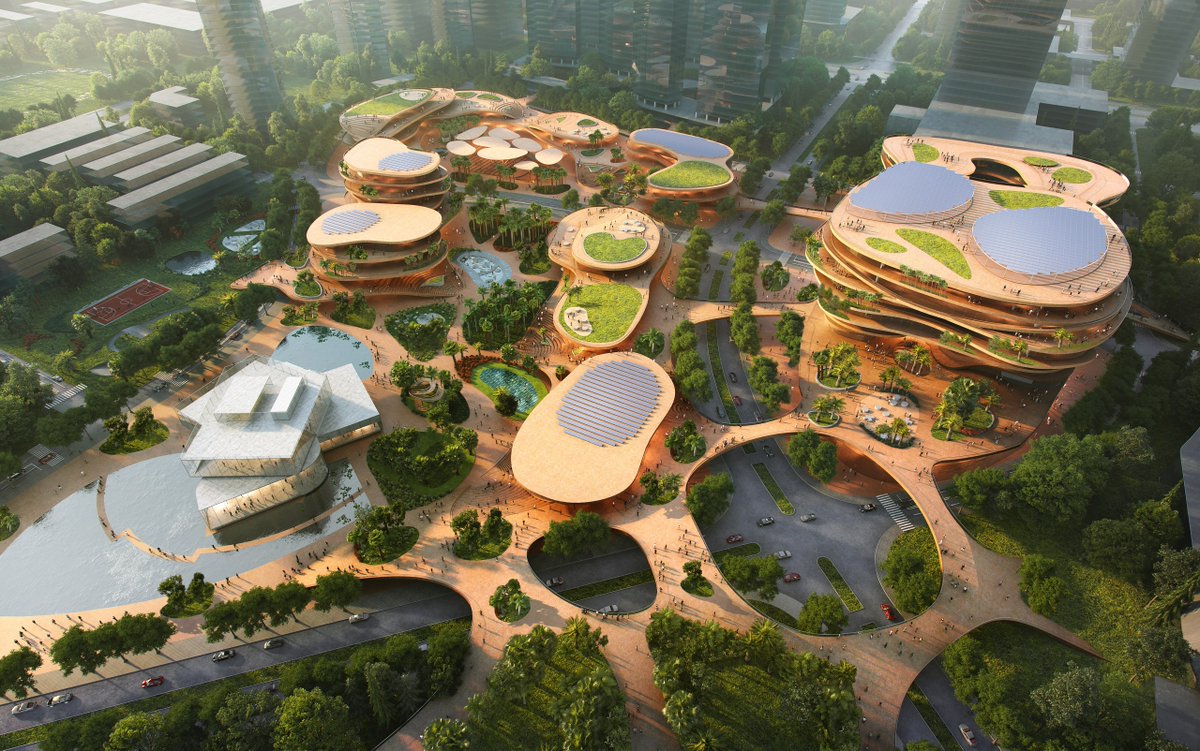
Trees in cities help mitigate some of the negative social impacts of urbanization, making cities more resilient to these changes. Here are nine ways trees and forests contribute to making cities more socially, economically, and environmentally sustainable:
1. Trees can contribute to increased local food and nutritional security, providing food such as fruits, nuts, and leaves for human consumption and animal feed.
Their wood can also be used for cooking and heating.
2. Trees play a vital role in increasing biodiversity in urban areas, providing suitable habitats, food, and protection for plants and animals.
3. A mature tree can absorb up to 150 kilograms of carbon dioxide annually. As a result, trees play a significant role in mitigating the effects of climate change.
Trees can improve air quality, especially in cities with high pollution levels, making them healthier places to live.
4. Strategic planning of tree placement in cities can help cool the air by between 2 and 8 degrees Celsius, thus reducing the impact of urban “heat pockets” and helping urban communities adapt to the effects of climate change.
5. Mature trees are excellent filters for urban pollutants and fine particulate matter. They absorb polluting gases (such as carbon monoxide, nitrogen oxides, ozone, and sulfur oxides) and filter fine particles, such as dust, dirt, or smoke, from the air by trapping them in their leaves and bark.
6. Research shows that living near and having access to urban green spaces can improve physical and mental health, for example, by reducing high blood pressure and stress.
This, in turn, contributes to the well-being of urban communities.
7. Mature trees regulate water flow and play a key role in flood prevention and reducing the risk of natural disasters. A mature evergreen tree, for example, can absorb more than 15,000 liters of water annually.
8. Trees also help reduce carbon emissions by conserving energy. For example, planting trees in suitable locations around buildings can reduce the need for air conditioning by 30 percent and lower winter heating bills by 20–50 percent.
9. Planting trees within urban planning can increase property values by up to 20 percent and attract tourism and business.
A well-planned and managed green infrastructure city becomes more resilient, sustainable, and equitable in terms of food and nutrition security, poverty alleviation, improved livelihoods, climate change mitigation and adaptation, disaster risk reduction, and ecosystem conservation. Thus, over their lifetime, trees can provide a package of benefits worth more than two to three times the investment spent on planting and caring for them.
Source: Food and Agriculture Organization of the United Nations.